From the outside, everything may appear steady. The deadlines are met, responsibilities are handled, and life continues moving forward. People may describe you as dependable, capable, successful, or resilient.
Yet internally, something feels different. You feel emotionally exhausted. Numb. Disconnected. Even moments that should feel meaningful or rewarding seem strangely flat. Rest never quite restores you and despite everything you accomplish, there is often a lingering sense that you are merely surviving rather than truly living.
This is often what high-functioning depression looks like.
High-functioning depression is not an official clinical diagnosis, but it is a very real experience. It describes people who continue to function outwardly while quietly struggling with persistent depressive symptoms internally. It does not always involve an inability to work, socialize, or complete daily tasks. In fact, many people experiencing high-functioning depression continue to excel professionally and care for others while privately carrying significant emotional pain.
The Hidden Nature of High-Functioning Depression
Depression is often imagined as something visible and unmistakable: someone unable to get out of bed, visibly distressed, or incapable of functioning day to day. While depression can absolutely look like this, it can also present in quieter, more concealed ways.
High-functioning depression often exists beneath routines, responsibilities, and achievement. Life continues moving, but internally there may be chronic sadness, emotional heaviness, exhaustion, irritability, emptiness, or a loss of joy that has slowly become normalized.
Many people describe it as feeling emotionally muted. Activities that once felt fulfilling now feel mechanical. Relationships require more effort. Even accomplishments can feel strangely hollow, followed quickly by self-criticism or the pressure to move immediately onto the next task.
Because outward functioning remains intact, the internal struggle is easy to dismiss:
“I’m still getting everything done.”
“Other people have it worse.”
“Maybe I’m just stressed.”
“If I were really depressed, I wouldn’t be functioning.”
Over time, this minimization becomes part of the problem.
When Productivity Becomes a Mask
One of the more confusing aspects of high-functioning depression is that productivity and suffering can coexist.
Achievement can become a coping strategy. Staying busy may create temporary relief from difficult emotions, self-doubt, loneliness, or exhaustion. Work, caretaking, perfectionism, and constant responsibility can function as distractions from what is happening internally.
For many people, slowing down feels unsafe. Stillness creates space for emotions that have long been pushed aside. This often creates an exhausting internal split: the outward self that performs, produces, helps, manages, and keeps everything together versus the inward self carrying grief, burnout, emptiness, shame, or emotional pain.
The more someone becomes identified with being “the reliable one,” “the strong one,” or “the high achiever,” the harder it becomes to acknowledge vulnerability. Over time, functioning itself can become a kind of armor.
Signs of High-Functioning Depression
Because high-functioning depression hides behind competence, the signs are often subtle and easy to rationalize.
Emotional Signs of High-Functioning Depression
Common emotional experiences may include:
- Persistent low mood or emotional heaviness
- Feeling detached from joy or fulfillment
- Chronic self-criticism
- Irritability
- Emotional numbness
- A sense that life feels mechanical or flat
- Feeling disconnected from yourself or others
- Difficulty experiencing pleasure even during positive moments
Physical and Behavioral Signs of High-Functioning Depression
Physical and behavioral signs may include:
- Constant fatigue, even after rest
- Headaches, muscle tension, or digestive issues
- Overworking or an inability to relax
- Difficulty slowing down
- Changes in sleep or energy levels
- Losing interest in hobbies or meaningful activities
- Using productivity to avoid difficult emotions
Why So Many People Miss High-Functioning Depression
In many environments, exhaustion is normalized and overworking is rewarded. Being busy, productive, and constantly available is often praised rather than questioned. As a result, emotional distress can hide behind competence for years.
People struggling with high-functioning depression are also frequently the ones supporting everyone else. They may be the caretaker, problem-solver, mediator, or high performer who has learned early in life that their value comes from being useful, dependable, or emotionally self-sufficient.
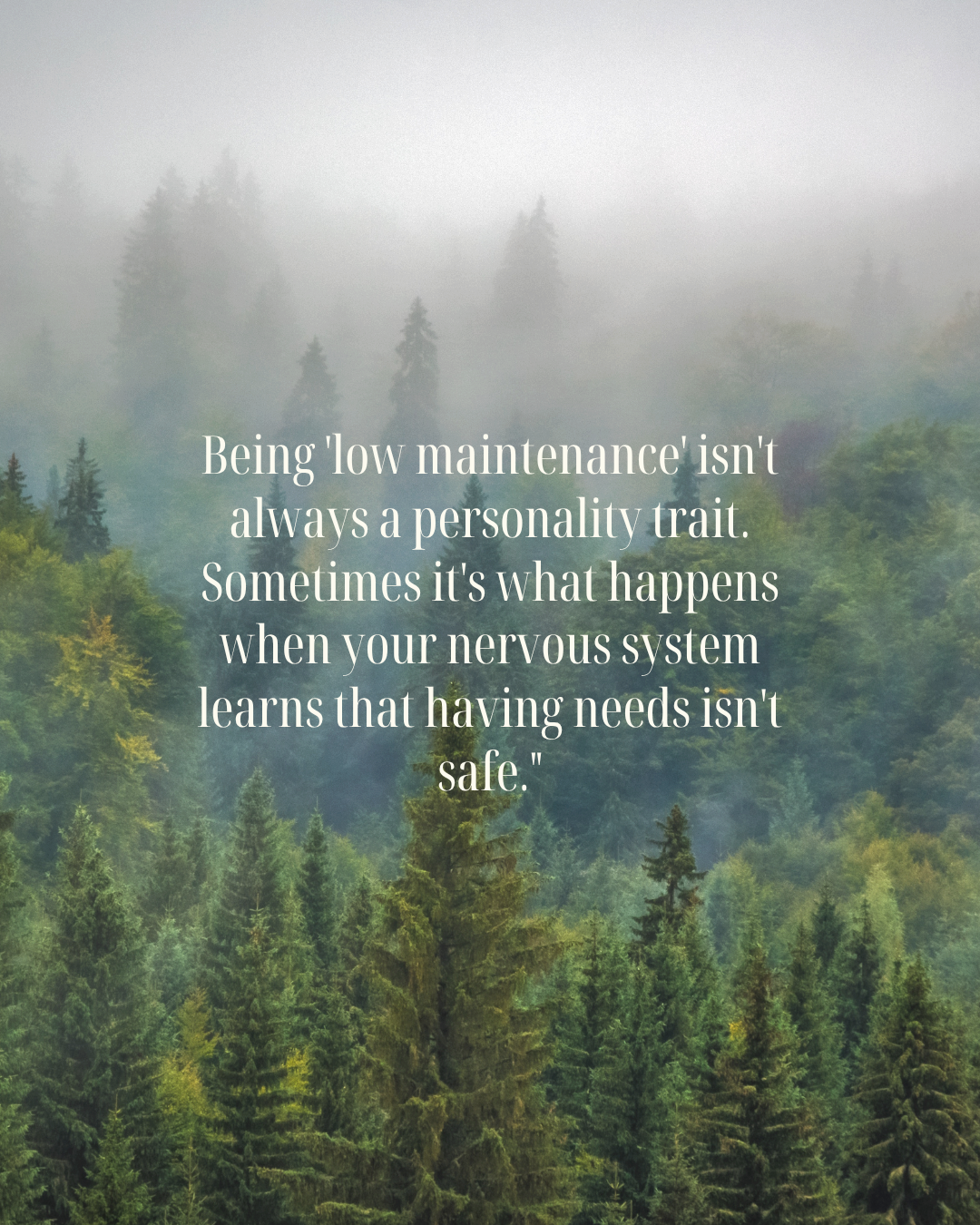
For some, vulnerability may feel deeply uncomfortable or unsafe. They may have learned not to burden others, to suppress emotional needs, or that love and approval are tied to performance and caretaking.
Over time, emotional suppression can become so automatic that people lose touch with the depth of what they are carrying.
The Connection Between Perfectionism, Self-Worth, and Depression
Many individuals with high-functioning depression also struggle with perfectionism.
When self-worth becomes tied to achievement, rest can feel undeserved. Mistakes feel threatening. Accomplishments provide only temporary relief before the next expectation appears.
This creates a cycle where self-esteem becomes dependent on productivity rather than rooted in a stable sense of self. No matter how much is accomplished, it never feels like enough.
Over time, this cycle can contribute to chronic stress, burnout, anxiety, and depression.
Healing Requires More Than “Pushing Through”
People with high-functioning depression are often incredibly skilled at enduring.
The problem is that endurance is not the same thing as healing.
Healing usually begins with acknowledging the disconnect between how things look externally and how they actually feel internally.
Therapy can help people:
- Reconnect with emotions they have long suppressed
- Understand the role perfectionism and self-worth play in their lives
- Reduce harsh self-criticism
- Develop healthier boundaries
- Build a life that is not solely organized around performance or survival
Approaches such as Cognitive Behavioral Therapy (CBT), Acceptance and Commitment Therapy (ACT), mindfulness-based therapies, and interpersonal therapy can be especially helpful for addressing the underlying emotional patterns often present in high-functioning depression.
Importantly, treatment is not about becoming less capable or ambitious. It is about learning how to function without constantly abandoning yourself in the process.
You Don’t Have to Fall Apart to Deserve Support
One of the most damaging myths about depression is that people must visibly break down before they are “allowed” to seek help.
But emotional suffering deserves attention long before a crisis.
If life feels persistently heavy, empty, exhausting, or emotionally disconnected, even while everything appears fine externally, that matters.
If functioning has become something you force yourself through rather than something you feel connected to, that matters too.
High-functioning depression often convinces people to keep waiting until things get worse, until they “deserve” help, or until they can no longer cope.
But support does not need to be earned through collapse.
You are allowed to seek help before reaching your breaking point.
Sometimes healing begins not when everything falls apart, but when you finally allow yourself to acknowledge that carrying everything alone is no longer working.